
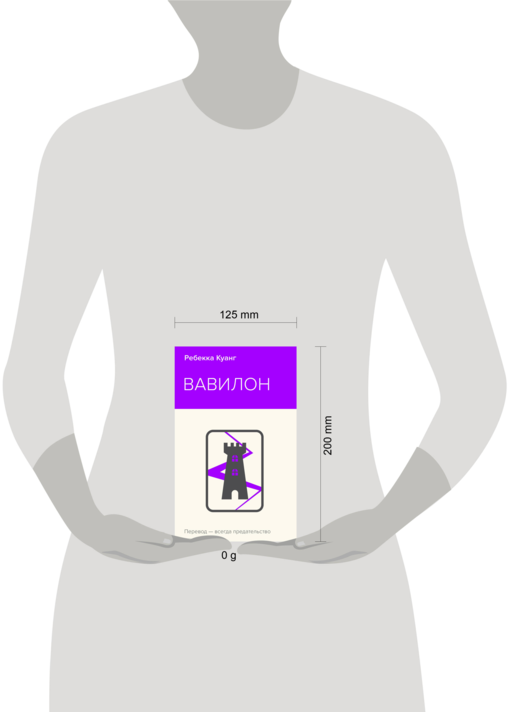
Babylon. The Hidden History
-
AuthorКуанг Ребекка Ф.
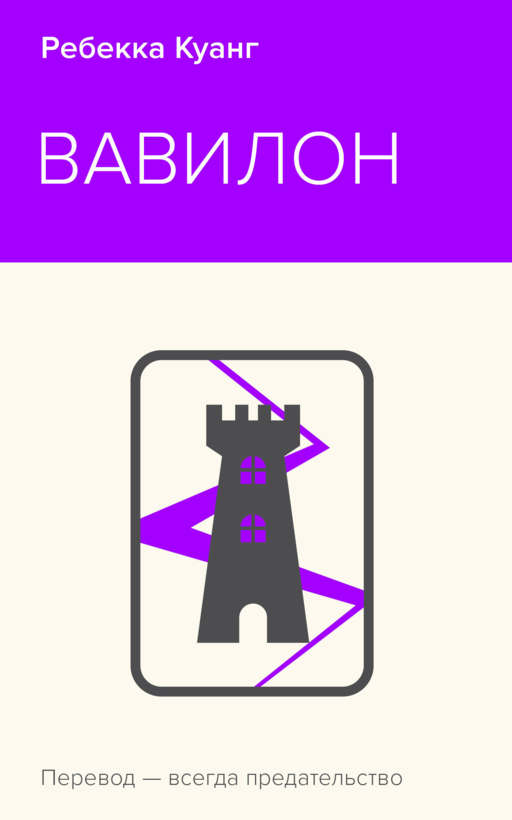
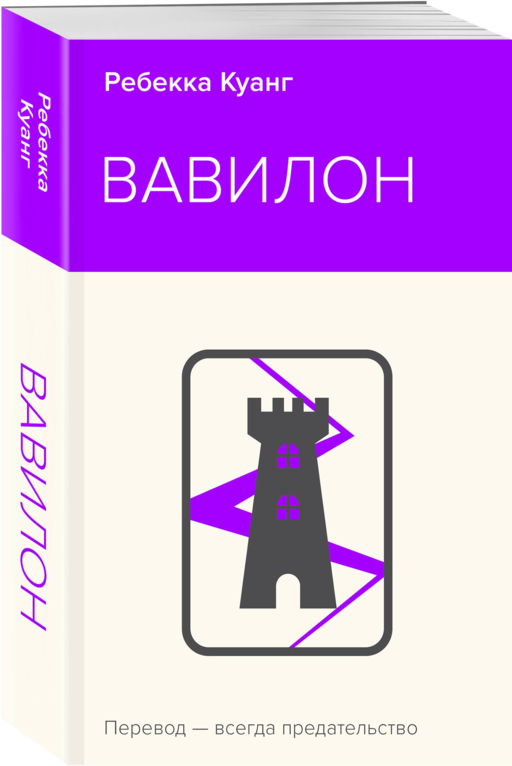
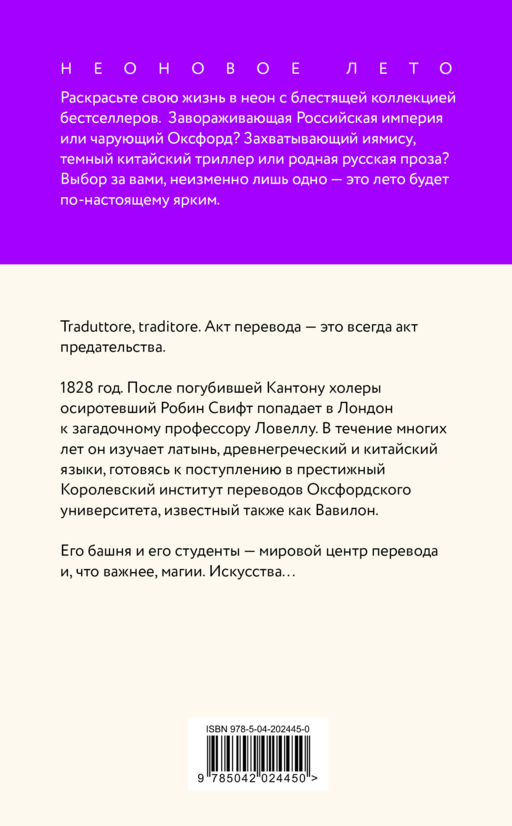
ILLEGAL USE OF NARCOTICS, PSYCHOTROPIC SUBSTANCES, AND THEIR ANALOGUES HARMS HEALTH, THEIR ILLEGAL CIRCULATION IS PROHIBITED AND ENTAILS LIABILITY ESTABLISHED BY LAW. Nebula Award winner. Locus Award nominee. Book of the Year by Barnes & Noble and Blackwell's bookstore network. Time Top 100 Books. A new novel from the creator of the "Opium War" trilogy. A novel serving as a thematic response to "The Secret History," with an addition of "Jonathan Strange & Mr Norrell," examining the use of language and the art of translation as the dominant weapon of the British Empire and student revolutions as acts of resistance against power. Traduttore, traditore. The act of translation is always an act of betrayal. The year 1828. After the cholera that devastated Canton, orphaned Robin Swift arrives in London to the mysterious Professor Lovell. For many years, he studies Latin, Ancient Greek, and Chinese, preparing to enter the prestigious Royal Institute of Translation at Oxford University, also known as Babylon. Its tower and its students are the world center of translation and, more importantly, magic. The art of manifesting meanings lost in translation using enchanted silver ingots. This magic made the British Empire invincible, and Babylon’s research in foreign languages serves the Empire's foreign policy. For Robin, Oxford is a utopia dedicated to the pursuit of knowledge. But knowledge is subordinate to power, and being of Chinese origin, Robin understands that serving Babylon means betraying his homeland. During his studies, the young man faces a choice between the interests of Babylon and the secret society Hermes, which seeks to stop imperial expansion. When Great Britain launches a conquest war with China for silver and opium, Robin must decide... Can powerful institutions of power be changed from within without unnecessary sacrifices, or does revolution always require violence? "Magnificent. One of the most brilliant, relevant books I've had the pleasure to read. The novel is not just a fantastic alternative history but an exploration considering colonial history and the industrial revolution, upending and shaking them." — Shannon A. Chakraborty "A brilliant and disturbing study of violence, etymology, colonialism, and their interconnections. The novel 'Babylon' is as deep as it is moving." — Alexis Henderson, author of "The Year of the Witching" "Rebecca Kwang has written a masterpiece. Through meticulous research and deep immersion in linguistics and the politics of language and translation, she crafted a story that is partly a message of her conflicting feelings toward academia, partly a caustic indictment of colonial policy, and all this as a fiery revolution." — Rebecca Roanhorse "'Babylon' is a masterpiece. A stunning exploration of identity, belonging, the price of empire and revolution, and the true power of language. Kwang has written the book the world has been waiting for." — Penn Shepard "The real magic of Kwang’s novel lies in its ability to be at once scholarly, yet consistently kind to the reader, making the language of the text feel as enchanting and powerful as the wonders that can be achieved through silver." — Oxford Review of Books "An amazing combination of erudition and emotion. I've never seen anything like it in literature." — Tochi Onyebuchi "If you plan to read only one book this year, pick 'Babylon.' Thanks to Kwang’s incredibly plausible alternative history, it reveals the truth about imperialism in our world. The author’s depth of knowledge in history and linguistics is breathtaking. This book is a masterpiece in every sense, a true privilege to read." — Jessie K. Sutanto The “NEON SUMMER” series. Color your life with neon through a sparkling collection of bestsellers. Enchanting Russian Empire or charming Oxford? Thrilling iyamisu, dark Chinese thriller, or native Russian prose? The choice is yours, only one thing is certain — this summer will be truly bright.